
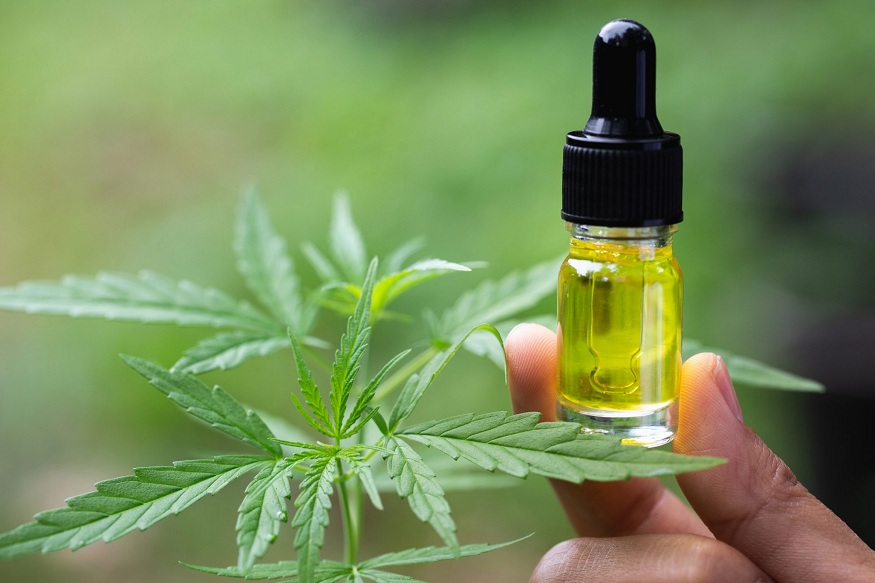
In recent years, CBD oil and plant-based cannabinoids have gained widespread attention for their potential health and wellness benefits. Derived from the cannabis plant, these natural compounds are now commonly used in oils, tinctures, capsules, creams, and wellness products. However, despite their popularity, many people still lack a clear understanding of what CBD oil is, how plant-based cannabinoids work, and how they differ from synthetic or pharmaceutical alternatives. This article provides detailed CBD oil information and explains the role of plant-based cannabinoids in the human body.
What Is CBD Oil?
CBD oil is a natural extract obtained from the Cannabis sativa plant. CBD stands for cannabidiol, one of more than 100 cannabinoids found in cannabis. Unlike THC (tetrahydrocannabinol), CBD is non-intoxicating, meaning it does not produce a “high.” This makes CBD oil appealing to individuals seeking therapeutic benefits without psychoactive effects.
CBD oil is typically produced by extracting cannabidiol from hemp plants, which are legally defined in many countries as cannabis plants containing less than 0.3% THC. The extracted CBD is then diluted with a carrier oil such as MCT oil, hemp seed oil, or olive oil to improve absorption and usability.
Understanding Plant-Based Cannabinoids
Plant-based cannabinoids, also known as phytocannabinoids, are naturally occurring chemical compounds found in the cannabis plant. These compounds interact with the human endocannabinoid system (ECS), a complex network of receptors and enzymes that helps regulate essential bodily functions such as mood, sleep, appetite, immune response, and pain perception.
The most well-known plant-based cannabinoids include:
- CBD (Cannabidiol): Known for its calming, anti-inflammatory, and potential pain-relieving properties.
THC (Tetrahydrocannabinol): Responsible for psychoactive effects but also has therapeutic applications.
CBG (Cannabigerol): Often referred to as the “mother cannabinoid” because other cannabinoids are derived from it.
CBN (Cannabinol): Commonly associated with sleep support and relaxation.
These cannabinoids work synergistically when consumed together, a phenomenon known as the entourage effect.
How CBD Oil Works in the Body
CBD oil interacts indirectly with the endocannabinoid system rather than binding directly to cannabinoid receptors (CB1 and CB2). Instead, CBD influences receptor activity and helps balance naturally produced endocannabinoids within the body. This regulatory effect is why CBD oil is often associated with stress management, inflammation control, and general wellness support.
By supporting ECS function, plant-based cannabinoids may help the body maintain homeostasis, which refers to internal balance and stability.
Types of CBD Oil
CBD oil products generally fall into three main categories:
Full-Spectrum CBD Oil
Contains all naturally occurring cannabinoids, including trace amounts of THC (within legal limits), as well as terpenes and flavonoids. This type is often preferred for the entourage effect.
Broad-Spectrum CBD Oil
Includes multiple cannabinoids and plant compounds but has THC removed. It offers many benefits of full-spectrum CBD without THC exposure.
CBD Isolate
Contains pure cannabidiol with no other cannabinoids or plant compounds. It is ideal for individuals who want CBD only or must avoid THC entirely.
Potential Benefits of CBD Oil and Plant-Based Cannabinoids
While research is ongoing, many users and preliminary studies suggest potential benefits of CBD oil and plant-based cannabinoids, including:
- Supporting stress and anxiety management
- Promoting restful sleep
- Helping manage inflammation and discomfort
- Supporting joint and muscle recovery
- Enhancing overall sense of balance and well-being
It is important to note that CBD is not a cure-all, and results can vary depending on dosage, product quality, and individual body chemistry.
Safety, Dosage, and Considerations
CBD oil is generally considered well-tolerated, but users should be mindful of dosage and product sourcing. Starting with a low dose and gradually increasing allows the body to adjust and helps identify optimal effectiveness.
Key considerations include:
- Choosing third-party lab-tested products
- Checking THC content and legal compliance
- Consulting a healthcare professional if taking medications
- Avoiding unverified or low-quality products
Plant-based cannabinoids are natural, but “natural” does not always mean risk-free, especially when combined with prescription drugs.
Legal and Regulatory Status
The legality of CBD oil and plant-based cannabinoids varies by country and region. In many areas, hemp-derived CBD products are legal if they meet THC limits, while cannabis-derived products may be restricted. Consumers should always verify local regulations before purchasing or using CBD oil.
Conclusion
CBD oil and plant-based cannabinoids represent a growing field in natural wellness and alternative health. Derived from the cannabis plant, these compounds interact with the body’s endocannabinoid system to support balance and overall well-being. Understanding CBD oil information, cannabinoid types, product quality, and safe usage is essential for making informed decisions. As research continues to expand, plant-based cannabinoids are likely to play an even more prominent role in modern health and wellness solutions.